


When I first took the reins leading on Value in the Vale, there was much discussion around rewarding volunteers for their time. To reward or not?
Many people think rewarding volunteers can create a positive feedback loop that enhances engagement and recognises the value of their contributions. While the term “volunteer” inherently suggests altruism, rewards (even modest ones) acknowledge the time, effort, and dedication they bring. This recognition can help foster a sense of appreciation and belonging, particularly in communities where volunteers may have limited resources themselves.

On the other side of the scale, some feel that rewarding volunteers may undermine the altruistic spirit that drives many to give their time freely. It risks creating a transactional relationship where individuals participate primarily for material benefits rather than genuine commitment to the cause. Volunteers incentivised by rewards might focus on immediate benefits rather than long-term commitment to the cause. If rewards stop, so might their participation, creating instability for community projects reliant on consistent engagement.
However, events such as the cost-of-living crisis means many individuals cannot afford to volunteer without some form of support. Offering rewards like travel reimbursements, free car parking, meal vouchers, or modest stipends helps alleviate financial barriers and ensures everyone, regardless of their economic situation, can participate. It levels the playing field, making volunteering accessible to more people, especially for those on a back to work journey.

Volunteering also offers a valuable opportunity to upskill and serves as a stepping stone in a holistic journey back to work. By engaging in meaningful activities, individuals can develop new competencies, enhance existing skills, and gain hands-on experience in a supportive environment. This process helps build confidence, expand professional networks, and demonstrate a proactive attitude to potential employers. Additionally, volunteering can provide structure and purpose, making it an integral part of rebuilding a routine and preparing for the demands of re-entering the workforce. For many, it bridges the gap between unemployment and meaningful employment, fostering personal and professional growth.
In a world where social isolation is increasingly prevalent, small rewards provide volunteers with an added reason to connect with their communities. These rewards can be as simple as vouchers for local cafes, event tickets, or discounts, fostering a sense of community belonging. Volunteers who feel appreciated are more likely to remain engaged, reducing their sense of isolation while encouraging others to join in.
Rewarding volunteers can also address significant social and economic challenges while also benefiting local businesses and advancing Corporate Social Responsibility (CSR) efforts.
Businessesthat provide rewards, such as discounts or freebies, can also benefit from repeat custom and increased visibility. Volunteers often form new habits, becoming loyal customers of businesses offering these perks. The relationship becomes symbiotic: businesses support community efforts and, in turn, gain goodwill, foot traffic, and profit.
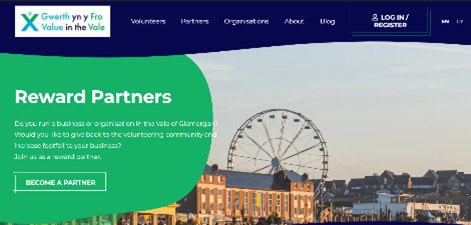
Incentivising volunteers aligns with businesses’ CSR and ESG (Environmental, Social and Governance) goals by creating measurable social impacts. Companies that support volunteer efforts through rewards demonstrate commitment to their communities, enhancing their reputation and ESG performance. This fosters trust with stakeholders and customers while contributing to societal well-being.
However, some businesses may feel pressured to offer rewards as part of CSR efforts, even if their budgets cannot support them. The feeling is that this could alienate small, local businesses unable to compete with larger companies providing significant incentives, creating imbalance in community support.
But what have I learnt?
While Value in the Vale offers volunteers rewards for their time if they choose to accept them, the project is about much more than just incentives. We provide volunteers with a platform to share their stories and inspiring journeys through volunteering. Published on our webpage, these stories and interviews give volunteers a profound sense of pride and achievement. For many, seeing their experiences showcased publicly boosts their confidence, fosters self-belief, and empowers them. More importantly, it inspires others to get involved and make a difference.
By collaborating with the businesses that support our rewards program, we create mutually beneficial opportunities. Businesses receive free advertising, attract new customers, and often benefit from repeat visits and increased spend. Interestingly, conversations about Corporate Social Responsibility (CSR) rarely come up when approaching businesses for support. Instead, they partner with us because they value and appreciate the contributions of volunteers to their local communities. One business owner shared a story about a volunteer visiting his carwash for the first time using a reward voucher. After receiving exceptional service, the volunteer chose not to redeem the voucher and instead paid in full, leaving with the promise, “This is my first time here, but it certainly won’t be my last!”
Some organisations seeking our help to recruit volunteers also wish to offer something back as a gesture of gratitude, often in the form of rewards. Several of these organisations have since joined us as reward partners, deepening the network of community collaboration.
I am fortunate to work closely with our volunteers, businesses, and charities, fostering open dialogue to share ideas, seek advice, and offer encouragement. I’ve learned that while many volunteers choose to keep their rewards, others prefer to “gift them forward.” Through successful “gift it forward” campaigns, we’ve enabled rewards to benefit hostels, hospices, and other organisations, with incredible results that extend the impact of our program even further.

Volunteers choosing to gift their rewards forward to organisations such as hostels and hospices can create a powerful ripple effect of generosity and community support. By redirecting their rewards—such as meal vouchers, store discounts, or other incentives—to those in need, volunteers extend the impact of their efforts beyond their immediate contributions. This gesture can provide essential resources to individuals relying on these services, offering them moments of comfort, dignity, or joy during challenging times. For hostels and hospices, such donations alleviate financial pressures and enrich the support they can offer. This practice not only amplifies the value of volunteer rewards but also fosters a culture of kindness, inspiring others to think creatively about how to maximise the positive impact of their own contributions.
My Thoughts on Rewards
What are my thoughts on rewards? I see no harm in offering them. After all, no one is obligated to accept a reward, but for those who do, these small gestures can make a meaningful difference. Rewards can support volunteers in various ways—whether by providing a little personal benefit, like offsetting expenses or treating themselves, or by empowering them to pass the reward on to someone else in need. The flexibility of rewards allows them to serve as an added layer of value, complementing the intrinsic satisfaction of volunteering.

Beyond benefiting volunteers, rewards also offer significant advantages to businesses. By participating in reward programs, businesses gain increased visibility, attract new customers, and often secure loyal repeat visitors. For small and local businesses, this can translate to tangible growth and a stronger connection with the community. Moreover, offering rewards enables businesses to actively contribute to social causes, enhancing their reputation and fostering goodwill.
Ultimately, rewards are not the core purpose of volunteering, but they can act as a meaningful catalyst, reinforcing a cycle of positivity that uplifts individuals, strengthens businesses, and nurtures the spirit of community giving. When thoughtfully implemented, they provide a win-win dynamic for all involved.